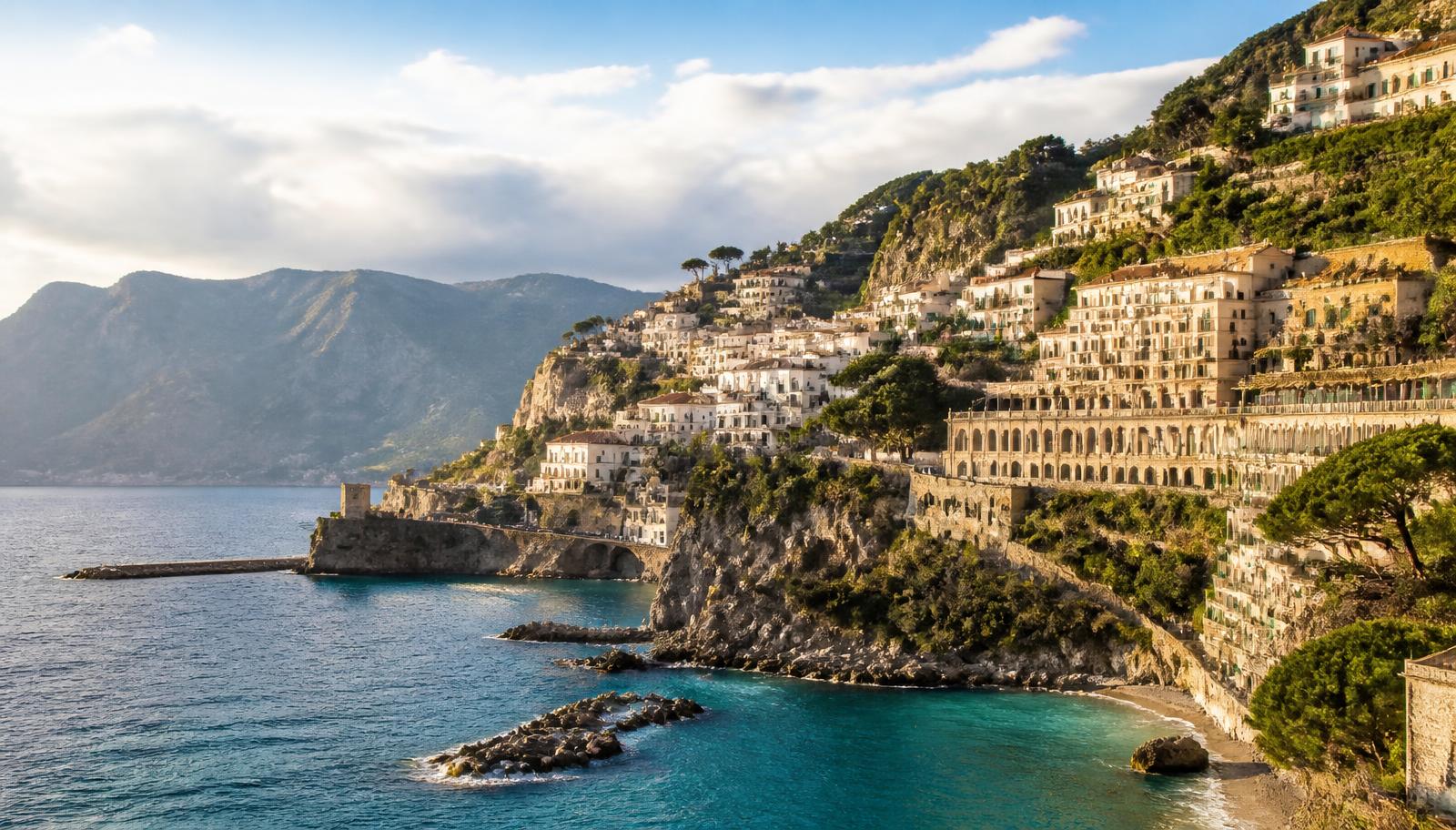
Ocean cruises
Large ships, a sea and its coastlines, port days and sea days. Explore the established ocean cruise regions.
Ocean · River · Expedition
No reviews, no rankings, no booking. Just an explanation of how cruising is put together, so you can judge any offer for yourself.
What do you want to understand?
New to cruising?
This is how the site is organised, and the order that makes any cruise offer readable. Work down the list and by the last step you can judge a specific sailing yourself.
Start hereOcean, river and expedition cruising work differently enough that each has its own structure on this site. Start with the one that matches the kind of travel you have in mind.
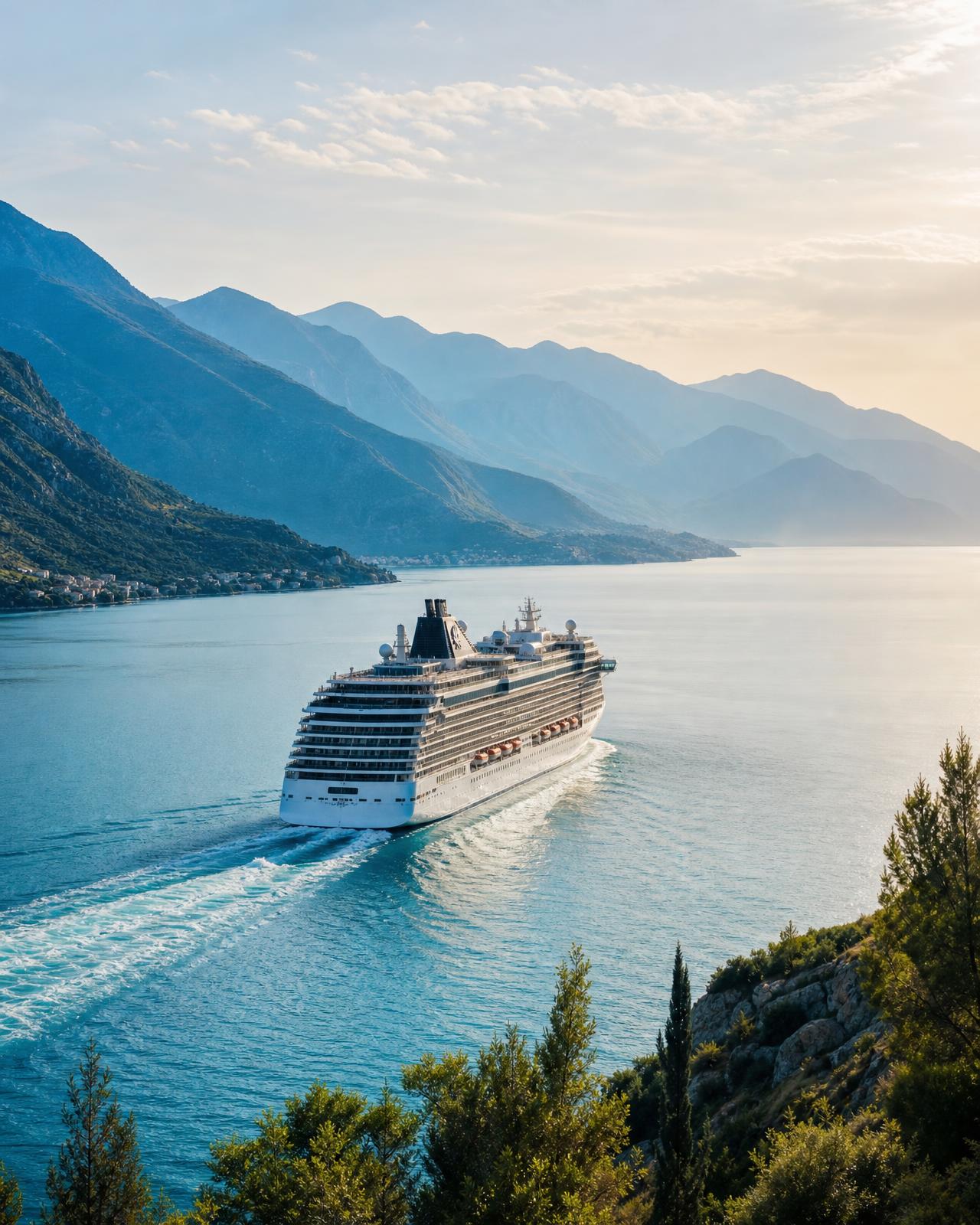
Large ships, a sea and its coastlines, port days and sea days. Explore the established ocean cruise regions.
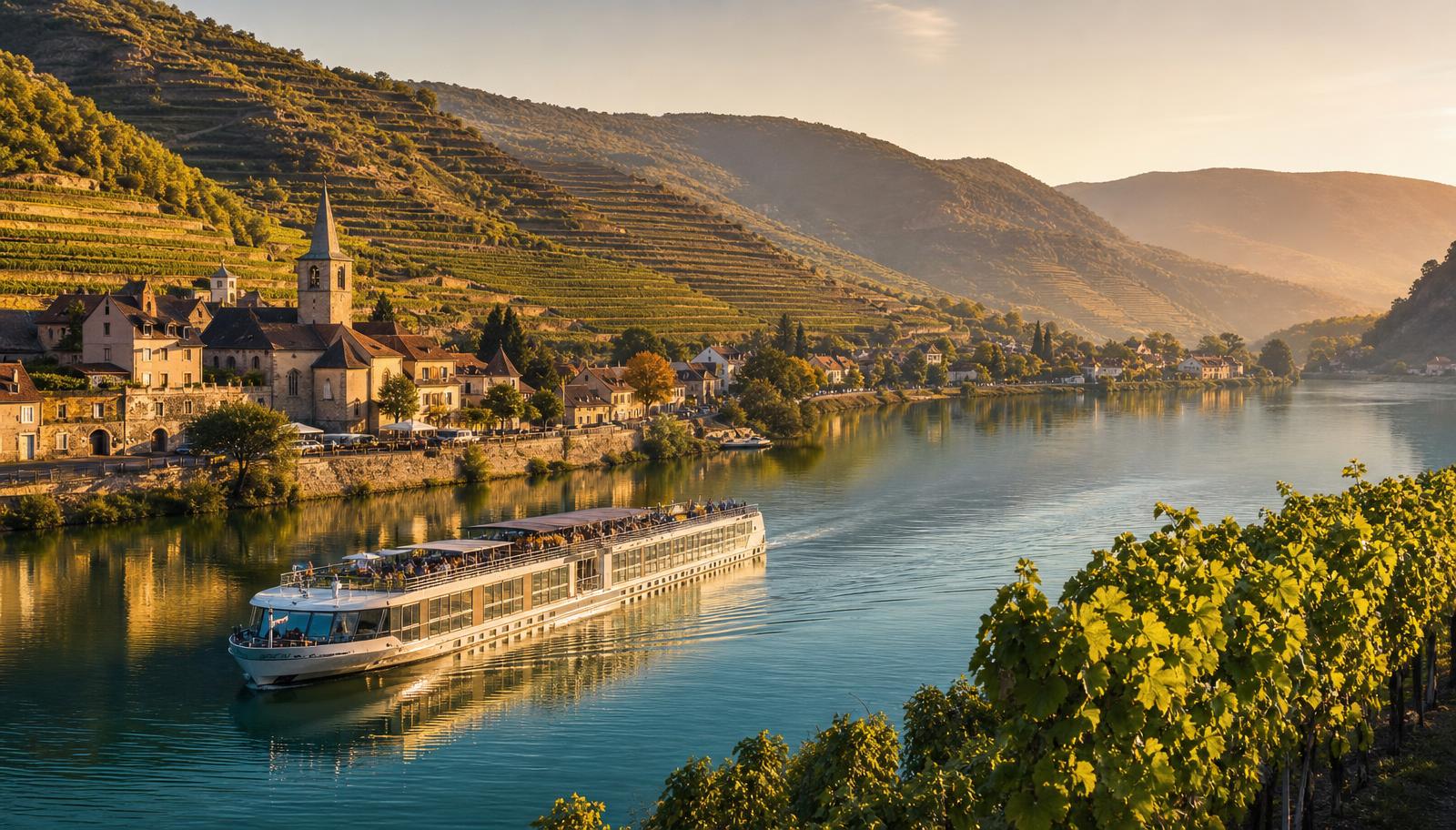
One navigable corridor, small vessels, no sea days. Understand the world's major river-cruise systems.
River cruises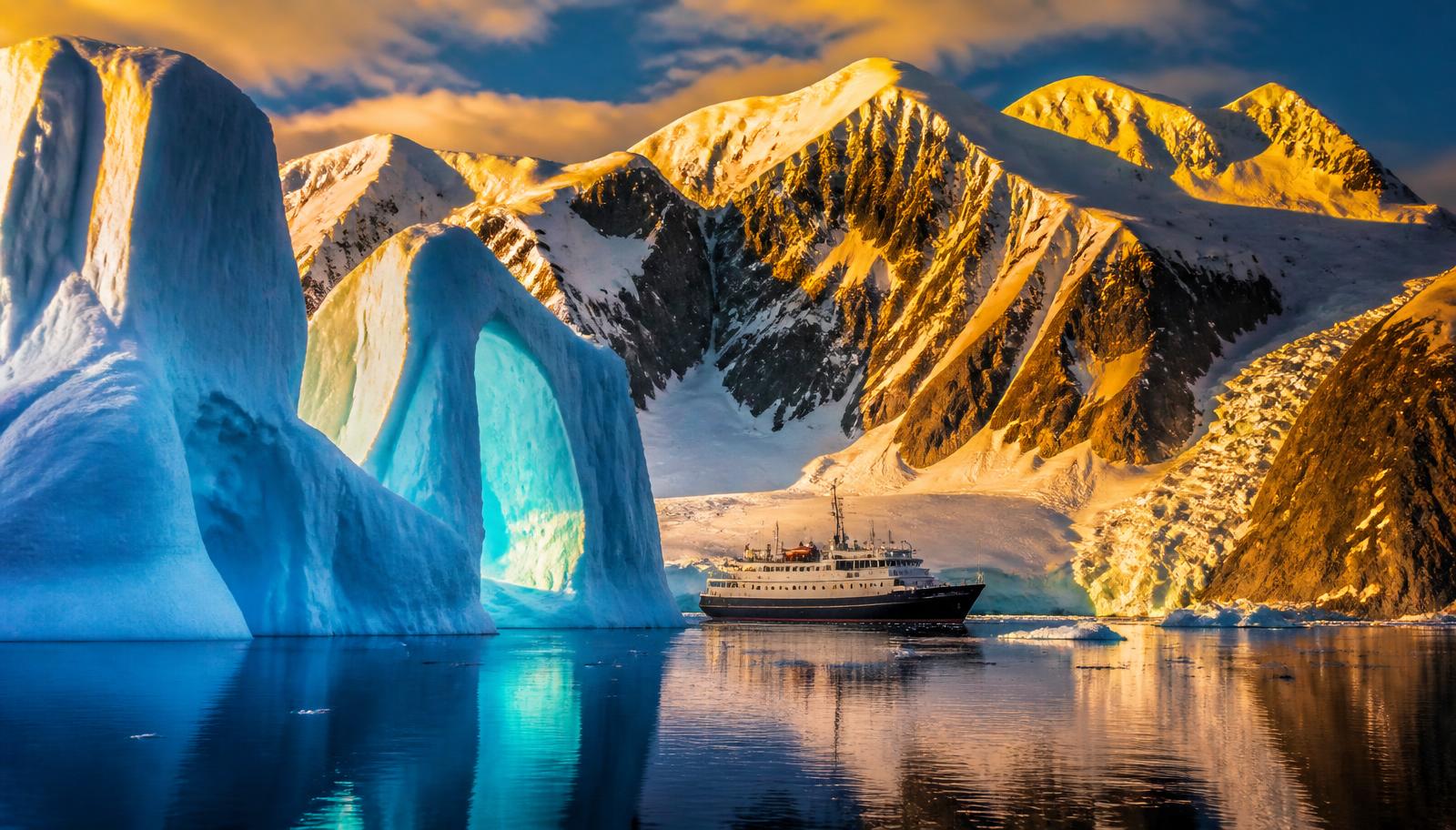
Often no port at all. Small vessels, landings by boat and condition-dependent routes. Understand the major expedition regions.
Expedition cruisesWhy geography decides most of a cruise
Where a voyage sails is not a detail on top of the holiday — it sets the season, the length of the trip, how many days are spent at sea rather than ashore, and how you actually get ashore when you arrive. One map connects all three systems: ocean regions and their cruise areas, the major river systems, and the expedition regions.
Open the mapDistance sets the sea days
Coastlines with ports close together give a stop most mornings; wide crossings give days that belong to the ship.
Latitude sets the season
Polar and high-latitude areas have short operating windows; tropical areas run year-round with a storm season.
Water depth sets the arrival
Deep, built-up harbours take large ships alongside; shallow or unbuilt coasts mean anchoring and going ashore by small boat.
The explanatory layer: what a cruise consists of, how itineraries are built, what ship size and cabin type change, what a fare generally covers, what an ordinary day onboard looks like, and the practical considerations that apply to everyone.
Start hereWant to see who operates where? The cruise line overview describes the major lines factually, in alphabetical order.
Editorial position
SnapVoyages publishes cruise information, not sales material. We do not review, rank or recommend cruise lines, ships or sailings, we do not sell anything, and no cruise line determines how information is presented here.
Facts come from named sources, listed on the pages that use them. Once you move on to a specific sailing, the cruise line and your travel provider take over — that is where this site deliberately stops.